Top Pocket Option Trading Strategies
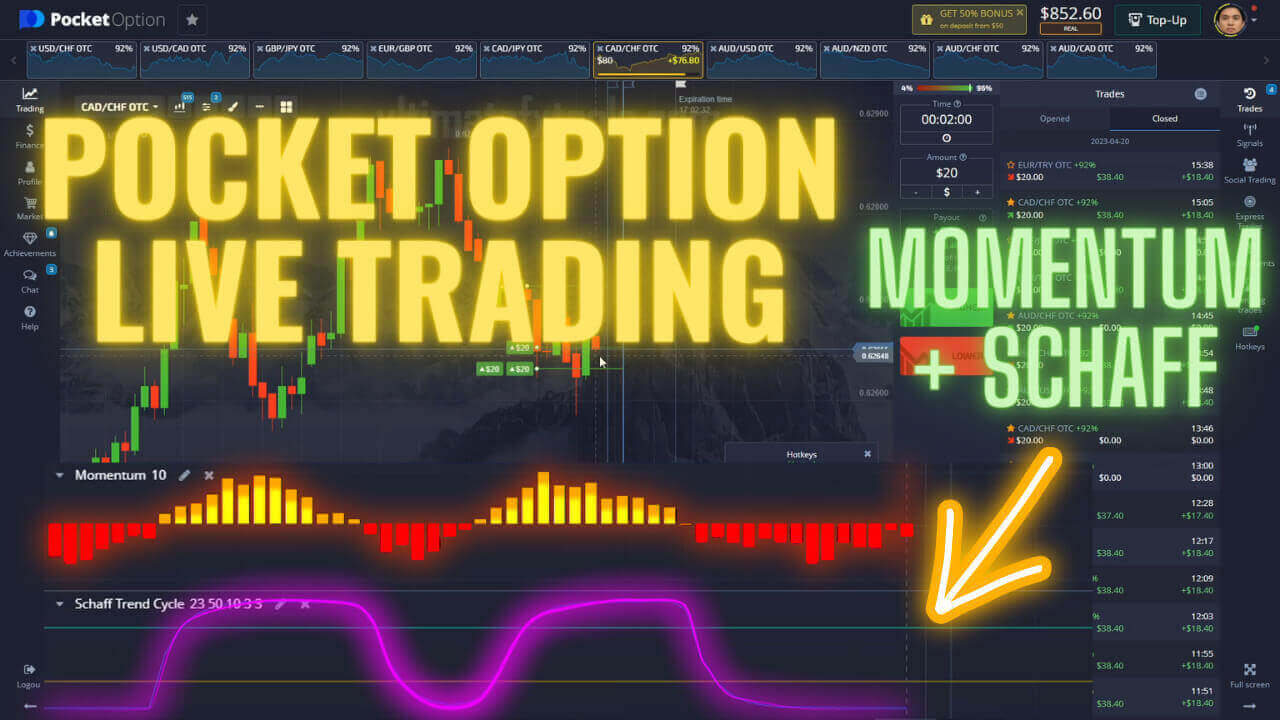
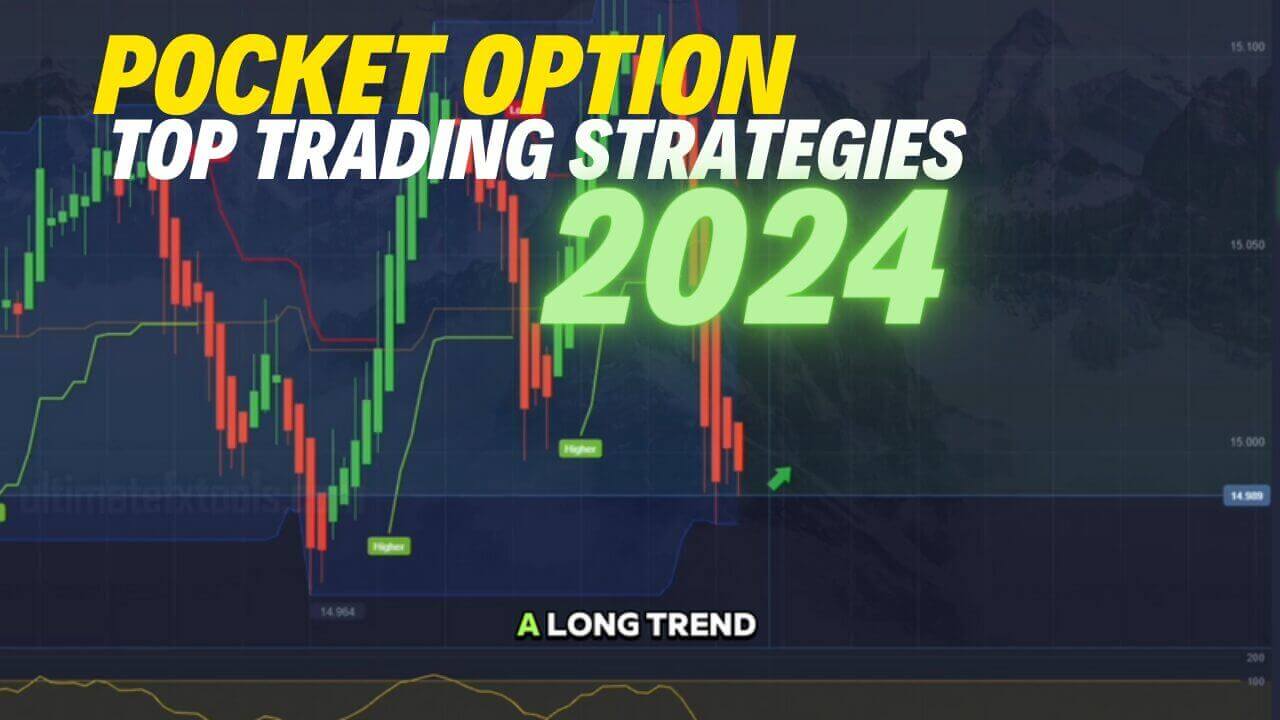
Over the years we have published dozens of Pocket Option setups on this site, covering everything from slow trend-following methods to rapid-fire 5-second OTC entries. This roundup pulls together seven of the most useful approaches from our library, organized by style: trend following, reversal trading, breakout entries, and fast OTC scalping. None of these is a magic formula. Each one is a structured way of reading the chart that you can test on a demo account, adjust to your own pace, and combine with sensible money management. Every section links to the full write-up so you can see the exact indicator settings and entry rules before you try anything live.
1. Super Trend Indicator Method
The Super Trend indicator is one of the simplest tools for staying on the right side of the market: price above the line suggests buyers are in control, price below suggests sellers. Our Super Trend Indicator Pocket Option guide shows how to use the color flips as directional filters instead of chasing every candle. It suits traders who want a calm, rules-based way to follow momentum.
2. Perfect Trend Setup with MACD
MACD is a classic momentum tool, and pairing it with a clean trend read helps filter out choppy conditions. In the Pocket Option Perfect Trend Setup we walk through how to wait for the MACD to confirm direction before entering, rather than jumping in on the first colorful candle. Patience is the whole point of this one — fewer entries, but better-aligned ones.
3. Super Trend + Bollinger Bands Breakout
When Bollinger Bands squeeze tight, volatility often expands afterward, and the Super Trend line helps you pick a side when the move begins. The Super Trend + Bollinger Bands strategy combines both so you are trading the expansion instead of guessing inside the squeeze. It is a good introduction to breakout logic for traders used to only trading trends.
4. 1 Minute Reversal Trading
Reversal trading means waiting for a stretched move to run out of steam and entering in the opposite direction. Our Top Pocket Option 1 Minute Reversals post covers how to spot exhaustion on the 1-minute chart and time the turn without catching a falling knife. Reversals demand discipline, so treat the confirmation rules as non-negotiable.
5. Five Reversal Setups Compared
If you like counter-trend trading and want variety, the 5 Reversal Strategies for Pocket Option article compares five different reversal approaches side by side. Testing several variations on demo is the fastest way to find the one that matches your reaction speed and screen time. Keep notes on which setups you actually execute well — that matters more than the indicators themselves.
6. Two-Indicator 15 Seconds Strategy
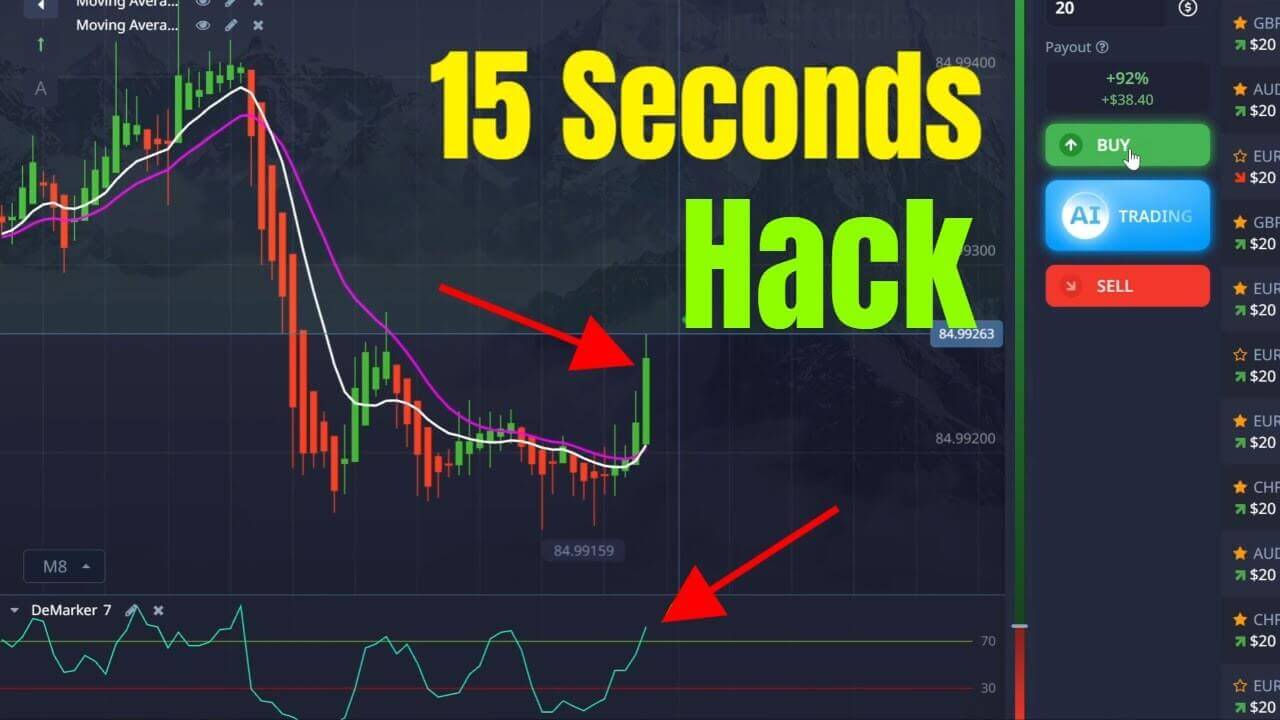
Fast OTC trading does not require a cluttered chart. The 15 Seconds Strategy for Pocket Option uses only two indicators to structure quick decisions on short expiries. Because 15-second trades come at you quickly, the simplicity is a feature: fewer signals to read means fewer hesitation errors.
7. Mastering the 5 Seconds Timeframe
The 5-second chart is the fastest environment Pocket Option offers, and it punishes improvisation. Mastering Pocket Option 5 Seconds Strategy breaks down a crossing-based method for these ultra-short trades and, just as importantly, when to stay out. Only attempt this style after you are comfortable on 1-minute charts, and keep position sizes small while learning.
OTC vs Live Markets
One thing many new traders miss: weekend OTC charts on Pocket Option behave differently from live market-hours charts. OTC price feeds tend to move in tighter, more repetitive rhythms, while live sessions react to real-world news and liquidity. A setup that looks clean on Saturday OTC may need different settings on a Tuesday London session, and vice versa. Our explainer on what Pocket Option OTC actually is covers the details. The practical rule is simple: demo-test each strategy separately per market type, and keep separate notes for OTC and live results instead of mixing them together.
FAQ
What is the best timeframe for these strategies?
There is no single best timeframe — it depends on the strategy and on you. Trend and breakout methods generally read more clearly on 1-minute to 5-minute charts, while the fast OTC setups above are built for 5 to 15 second candles. If you are new, start slower: longer timeframes give you time to think, and you can shorten the chart once your execution is consistent.
Do these strategies work on the mobile app?
Yes, all seven can be set up in the Pocket Option mobile app, since it supports the same core indicators as the web platform. The main limitation is screen space — reading two or three indicators on a phone is harder, so mobile traders often do better with the simpler setups like Super Trend or the two-indicator 15-second method.
Do I need free or premium tools for these setups?
Every strategy in this list uses indicators that are built into Pocket Option for free, so you can start testing today without spending anything. If you later want our custom MT4/MT5 indicators, alert tools, and full strategy library, the $39 lifetime package bundles everything with one payment — but it is an upgrade for convenience and consistency, not a requirement for any setup above.
This content is for educational purposes only. Trading involves risk. Past results do not guarantee future outcomes. Always practice responsible money management and limit your daily trades to avoid large losses.